spanish study guide
Spanish Study Guide: A Comprehensive Plan
Embarking on a Spanish learning journey requires a structured approach‚ utilizing diverse resources like Wlingua‚ Italki‚ and Lingbe for optimal progress and fluency.
I. Getting Started with Spanish
Initial steps are crucial for success. Begin by setting realistic goals – don’t aim for fluency overnight! Break down your learning into manageable milestones‚ like mastering basic greetings or completing a certain number of lessons per week.
Next‚ choose your learning style. Are you a visual‚ auditory‚ or kinesthetic learner? This will influence the resources you prioritize. Some thrive with apps like Wlingua‚ while others prefer traditional textbooks or interactive tutoring sessions on Italki.
Finally‚ gain an essential resources overview. Explore options like language learning apps‚ online courses‚ and language exchange partners. Consider supplementing with audio-based learning programs like Language Transfer or Pimsleur. Remember‚ a blended approach often yields the best results‚ combining structured lessons with conversational practice via platforms like Lingbe and HelloTalk.
A. Setting Realistic Goals
Avoid overwhelming yourself from the outset. Instead of aiming for immediate fluency‚ establish achievable short-term goals. Perhaps commit to completing five lessons on Wlingua each week‚ or learning ten new vocabulary words daily using the app’s flashcard system.
Consider your current schedule and commitments. Can you dedicate 30 minutes each day‚ or would longer‚ less frequent sessions be more realistic? Remember‚ consistency is key. Small‚ regular efforts accumulate over time.
Break down larger objectives into smaller steps. Instead of “become conversational‚” aim for “be able to order food in a restaurant” or “introduce yourself and ask basic questions.” Celebrate each milestone achieved to maintain motivation and track your progress effectively. Utilize Italki for periodic assessments.
B. Choosing Your Learning Style
Identify how you best absorb information. Are you a visual learner who benefits from flashcards and written materials‚ like those offered within Wlingua Spanish? Or do you prefer auditory methods‚ such as Language Transfer or Pimsleur‚ focusing on listening and repetition?
Perhaps you thrive in interactive environments. Platforms like Lingbe and HelloTalk provide opportunities for real-time conversational practice‚ ideal for kinesthetic learners. Consider incorporating a blend of methods to cater to different aspects of language acquisition.
Don’t hesitate to experiment. Try a few lessons on different apps and programs to see what resonates with you. Supplement your learning with YouTube courses and‚ if feasible‚ utilize Italki for personalized tutoring tailored to your preferred style.
C. Essential Resources Overview
A successful Spanish learning journey relies on a diverse toolkit. Wlingua Spanish offers a comprehensive‚ textbook-style approach with 520 lessons‚ covering grammar‚ vocabulary (3‚800+ words‚ expandable to 7‚700+)‚ and spaced repetition exercises. It excels in reading and listening comprehension.
For conversational practice‚ Lingbe and HelloTalk connect you with native speakers for spontaneous calls and chats. Italki provides access to affordable‚ professional tutors for personalized guidance and feedback.
Audio-based options include the free Language Transfer‚ budget-friendly Paul Noble (via Audible)‚ the textbook-inclusive Assimil‚ and the pricier Pimsleur (often available at libraries). Explore YouTube channels for supplementary courses‚ creating a well-rounded learning experience.

II. Core Language Skills
Mastering Spanish hinges on solid grammar foundations and a growing vocabulary‚ best achieved through consistent practice and utilizing available learning resources effectively.
A. Mastering Spanish Grammar
A strong grasp of Spanish grammar is fundamental to fluency. Wlingua Spanish‚ for example‚ systematically covers grammatical concepts within its 520 lessons‚ acting as a digital textbook. Understanding verb conjugations is crucial; Spanish verbs change significantly based on tense and subject.
Equally important is gender and number agreement – nouns and adjectives must align in both gender (masculine or feminine) and number (singular or plural). These rules‚ while initially challenging‚ become intuitive with practice. Resources like Italki can provide personalized guidance from tutors to clarify complex grammatical points and address individual learning needs. Consistent review and application of these concepts through exercises and real-world usage are key to solidifying your understanding.
Verb Conjugations: A Deep Dive
Spanish verb conjugations are notoriously complex‚ demanding dedicated study. Verbs change form to indicate tense (present‚ past‚ future)‚ mood (indicative‚ subjunctive‚ imperative)‚ and person (I‚ you‚ he/she/it‚ we‚ you all‚ they). Wlingua Spanish directly addresses this through its lesson structure‚ providing ample practice with different verb forms.
Regular verbs follow predictable patterns‚ but irregular verbs require memorization. Mastering the common irregular verbs is essential for basic communication. Utilizing spaced repetition‚ as Wlingua incorporates‚ aids in retaining these forms. Italki tutors can offer targeted exercises and personalized feedback to pinpoint and correct conjugation errors. Don’t be discouraged by the initial difficulty; consistent practice and exposure will lead to improved accuracy and confidence in using Spanish verbs correctly.
Gender and Number Agreement
A fundamental aspect of Spanish grammar is gender and number agreement. Nouns are either masculine or feminine‚ and adjectives must agree in gender and number with the nouns they modify. This means a masculine singular noun requires a masculine singular adjective‚ and so on.

Determining a noun’s gender can sometimes be tricky‚ often indicated by its ending (though exceptions exist!). Wlingua Spanish lessons systematically introduce vocabulary with its correct gender‚ reinforcing this concept. Italki tutors can provide clarification and practice exercises to solidify understanding. Mastering this agreement is crucial for forming grammatically correct sentences. Ignoring it can lead to miscommunication. Consistent practice‚ utilizing flashcards and real-world examples‚ will help internalize these rules and improve fluency.
B. Building Your Spanish Vocabulary
Expanding your Spanish vocabulary is paramount to comprehension and fluency. Begin with frequency lists and core vocabulary – the most commonly used words – to establish a solid foundation. Wlingua Spanish introduces new vocabulary systematically within its 520 lessons‚ incorporating spaced repetition to aid retention.
Utilizing flashcards‚ either physical or digital‚ is highly effective. Supplement this with spaced repetition systems (SRS) to optimize learning. The Wlingua app boasts a Spanish dictionary with over 7‚‚ allowing you to customize your vocabulary practice. Don’t underestimate the power of contextual learning; encounter words in sentences and real-life scenarios. Consistent effort‚ combined with diverse learning methods‚ will unlock a richer and more nuanced understanding of the Spanish language.

Frequency Lists & Core Vocabulary
A strategic approach to vocabulary acquisition begins with prioritizing the most frequently used words in Spanish. These “core vocabulary” items form the building blocks of everyday communication‚ providing a substantial return on investment for your learning efforts. Focusing on these high-frequency terms allows for quicker comprehension of spoken and written Spanish.
Numerous resources offer curated frequency lists online; Mastering the top 1‚000-2‚ will enable you to understand a significant portion of common conversations and texts. Wlingua Spanish‚ for example‚ teaches approximately 3‚ throughout its curriculum‚ effectively covering a large segment of core vocabulary. Supplementing this with independent study of frequency lists will accelerate your progress and build a strong lexical base.
Utilizing Flashcards & Spaced Repetition
Flashcards are a cornerstone of effective vocabulary learning‚ particularly when combined with the principles of spaced repetition. This technique involves reviewing words at increasing intervals‚ reinforcing memory and combating the forgetting curve. Instead of cramming‚ spaced repetition optimizes long-term retention.
Wlingua Spanish incorporates spaced repetition directly into its lesson structure‚ ensuring that newly learned vocabulary is revisited at strategic times. However‚ you can also create your own flashcards – physical or digital – to supplement your studies. Apps like Anki are excellent for implementing spaced repetition systems. Furthermore‚ Wlingua’s Spanish dictionary boasts over 7‚‚ providing ample material for creating personalized flashcard decks and expanding your vocabulary beyond the core curriculum.

III. Popular Learning Tools & Platforms
Explore diverse platforms like Wlingua‚ Italki‚ Lingbe‚ and others to enhance your Spanish learning experience‚ catering to varied needs and preferences.
A. Language Learning Apps
Wlingua Spanish is a comprehensive app designed to guide learners from a complete beginner level all the way to a solid B1 proficiency in Spanish. The platform boasts an impressive 520 lessons specifically tailored for Spanish acquisition‚ alongside additional courses focusing on different aspects of the language.
Essentially functioning as a digital textbook‚ Wlingua systematically covers grammar concepts‚ introduces new vocabulary with each lesson‚ and incorporates spaced repetition techniques to reinforce learning and prevent forgetting. Each lesson includes exercises to practice newly acquired knowledge‚ listening comprehension activities‚ and‚ as you progress to the elementary stages‚ a greater emphasis on reading comprehension.

While Wlingua excels in building a strong foundation in grammar‚ vocabulary (teaching around 3‚ initially‚ with access to a 7‚700-word dictionary for expansion)‚ listening‚ and reading‚ it doesn’t directly address speaking practice. However‚ it provides a robust base for further conversational development.
Wlingua Spanish: A Detailed Review
Wlingua Spanish truly shines as a structured learning path‚ taking users from zero knowledge to a comfortable B1 level. With its 520 lessons‚ it feels remarkably like a textbook reimagined for the digital age; The app’s strength lies in its holistic approach‚ seamlessly integrating grammar explanations‚ new vocabulary introductions‚ and crucially‚ spaced repetition for long-term retention.
Beyond core lessons‚ Wlingua offers varied exercises‚ honing skills in listening and reading comprehension. As learners advance‚ the reading component expands significantly. The platform currently teaches approximately 3‚‚ but access to a vast 7‚700-word dictionary allows for personalized vocabulary expansion via flashcards.
One notable aspect is its focus on building a solid foundation; however‚ Wlingua doesn’t prioritize speaking practice directly. It’s an excellent preparatory tool‚ best complemented by conversational practice through other resources.
Lingbe & HelloTalk: Conversational Practice
Lingbe and HelloTalk offer invaluable opportunities to bridge the gap between theoretical knowledge and real-world Spanish conversation. Lingbe connects you with native speakers in random calls‚ providing spontaneous speaking practice in a low-pressure environment – ideal for building confidence. It’s a fantastic way to test your comprehension and pronunciation skills on the fly.
HelloTalk takes a slightly different approach‚ fostering a community where language exchange is central. You can pose questions to native Spanish speakers and receive corrections and explanations. Furthermore‚ HelloTalk facilitates group calls and text-based chats‚ allowing for diverse interaction styles.
Both platforms excel at providing authentic language exposure and cultural insights. While not structured learning tools‚ they are essential supplements for anyone seeking to improve their fluency and conversational abilities.
B. Tutoring & Language Exchange
Italki stands out as a premier platform for connecting with qualified Spanish tutors at various price points. This accessibility makes personalized learning achievable for learners on any budget. Tutors can provide focused instruction on grammar points‚ vocabulary‚ or specific conversational skills‚ addressing individual needs effectively.
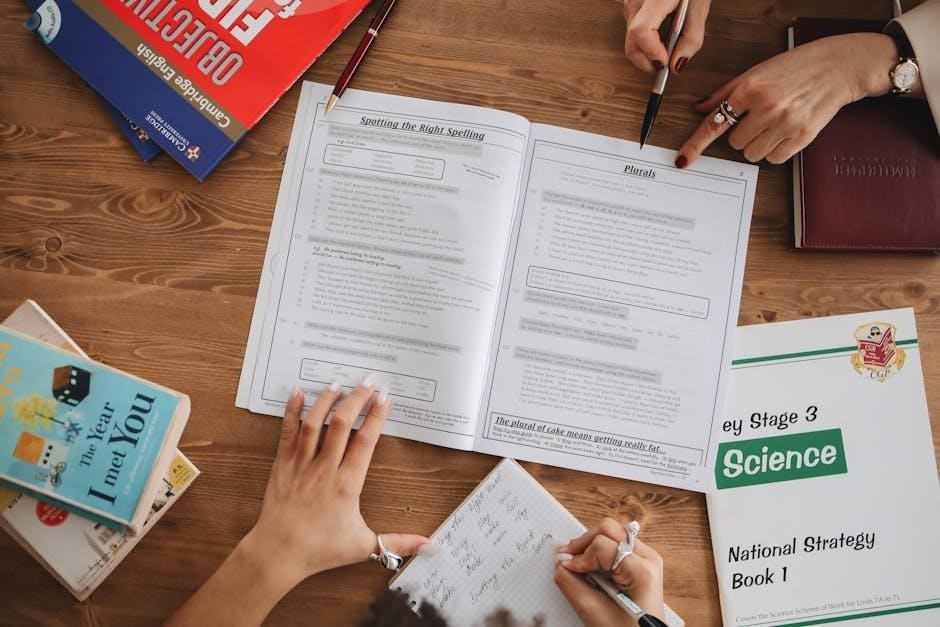
Beyond formal lessons‚ Italki facilitates informal language exchange. You can engage in conversations with native speakers‚ receiving feedback on your pronunciation and fluency while offering assistance with their native language. This reciprocal learning environment fosters genuine connection and cultural understanding.
The benefits extend to targeted practice; tutors can test your knowledge‚ answer your questions‚ and tailor sessions to complement your textbook or app-based studies‚ accelerating your progress.
Italki: Finding Affordable Tutors
Italki is a highly recommended platform for sourcing Spanish tutors‚ distinguished by its diverse range of instructors and flexible pricing. While not a free service‚ Italki offers options to suit various budgets‚ making personalized instruction accessible to many learners. You can find both professional teachers and community tutors‚ the latter generally being more affordable.
The platform allows you to filter tutors based on price‚ availability‚ and specialization – whether you need help with conversational Spanish‚ grammar‚ or exam preparation. Trial lessons are often available‚ enabling you to assess a tutor’s teaching style before committing to regular sessions.
Italki isn’t just about formal lessons; tutors can also provide conversation practice‚ answer specific questions‚ and offer feedback on your progress‚ supplementing other learning methods effectively.
C. Audio-Based Learning
Audio-based learning provides an immersive experience‚ focusing on listening and speaking skills crucial for fluency. Several programs cater to different learning preferences and budgets. Language Transfer stands out as a completely free option‚ utilizing a unique method to build understanding through patterns and connections.
Assimil offers a more comprehensive approach‚ combining audio lessons with accompanying textbooks‚ providing a structured learning path at a reasonable cost. Paul Noble’s courses‚ readily available on Audible‚ are known for their affordability and focus on building confidence through immediate usability.
Pimsleur‚ while generally the most expensive‚ is a well-established program emphasizing pronunciation and conversational skills; it may be accessible through local libraries. These resources complement other methods‚ enhancing comprehension and pronunciation.
Language Transfer‚ Paul Noble‚ Assimil‚ Pimsleur: Comparison
Language Transfer distinguishes itself as a free resource‚ employing a unique methodology centered on identifying patterns and building comprehension organically. Paul Noble’s courses‚ available on platforms like Audible‚ are notably affordable and prioritize immediate conversational application‚ fostering confidence quickly.
Assimil presents a balanced approach‚ integrating audio lessons with accompanying textbooks for a structured learning experience‚ offered at a moderate price point. Conversely‚ Pimsleur typically represents the most significant investment‚ yet it’s renowned for its emphasis on pronunciation and practical conversational abilities.
While Pimsleur can be costly‚ library access may provide a free alternative. Each program caters to diverse learning styles and budgets‚ offering varied pathways to Spanish fluency‚ complementing app-based or tutoring approaches.

IV. Supplementary Resources
Enhance your Spanish studies with readily available YouTube courses‚ providing comprehensive lessons and diverse perspectives to solidify your understanding and skills.
A. YouTube Channels for Spanish Learners
YouTube offers a wealth of free resources for Spanish learners‚ supplementing traditional methods with engaging video content. Many creators provide full-length courses‚ catering to various levels from beginner to advanced. These channels often break down complex grammar concepts into easily digestible segments‚ accompanied by real-life examples and pronunciation guidance.
Furthermore‚ YouTube channels frequently feature cultural insights‚ exposing learners to authentic Spanish-speaking environments and customs. This immersion is invaluable for developing a deeper understanding of the language and its nuances. Look for channels that offer interactive exercises‚ quizzes‚ and opportunities for practice. Some channels focus on specific dialects‚ allowing learners to tailor their studies to their desired region.
The visual and auditory nature of YouTube makes it an excellent tool for improving listening comprehension and pronunciation. Consistent engagement with these resources can significantly accelerate your Spanish learning journey‚ providing a dynamic and accessible learning experience.