
hebrew gospel of matthew pdf
Overview of the Hebrew Gospel of Matthew PDF
The Hebrew Gospel of Matthew PDF offers a modern, dual‑language edition featuring a complete English translation, footnotes linking to Torah teachings, and version 2.2 revisions that correct earlier errors and enhance readability. It also offers a bilingual layout for study and!
Historical Context and Significance
Emerging in the late 2010s, the Hebrew Gospel of Matthew PDF reflects renewed scholarly interest in Hebrew Christian texts. First released in October 2019, it offers an English translation of a Hebrew manuscript that diverges from the traditional Shem Tov Matthew by affirming Yeshua as the Messiah. Scholars trace the manuscript’s lineage to 19th‑century Hebrew‑Christian communities that preserved Gospel fragments in Hebrew for liturgical or pedagogical use. The 2019 publication, now version 2.2, was produced after a meticulous re‑examination of the original Hebrew, correcting typographical errors introduced by PDF conversion and incorporating reader feedback. Its footnotes explicitly connect Yeshua’s teachings in chapters 5–7 to Torah (Pentateuch) passages, offering a theological bridge between the Hebrew Bible and New Testament narrative. This work has sparked debate among Hebrew and Christian scholars, who view it as a valuable resource for exploring Christian reception in a linguistic context and reassessing Messianic claims within the Gospel tradition. The manuscript’s discovery aligns with the broader movement to recover Gospel fragments previously overlooked in mainstream biblical scholarship. By situating the text within its historical milieu—Hebrew Christian circles, 19th‑century printing presses, and missionary efforts—the PDF underscores the interplay between Jewish linguistic heritage and Christian theological development. Its impact continues to inspire research scholar
Key Features of the PDF Edition
Version 2.2 of the Hebrew Gospel of Matthew PDF presents a meticulously revised translation that aligns the Hebrew text with an accurate English rendering. The entire manuscript was re‑checked against the original Hebrew source, eliminating mistranslations and ensuring theological consistency. Previously “to be finalized” placeholders in version 1.1 were resolved, providing readers with complete passages. Footnotes were expanded to highlight how Yeshua’s teachings in chapters 5–7 echo specific Torah (Pentateuch) verses, offering a clear scriptural lineage. The PDF corrects a conversion error that omitted words in version 2.1, restoring full readability. Minor stylistic and typographical corrections were applied based on reader feedback, improving overall clarity. The layout is bilingual, presenting Hebrew and English side‑by‑side, which aids comparative study and enhances accessibility for scholars and lay readers alike. These features collectively make the edition a valuable resource for Hebrew‑Christian scholarship and for anyone interested in the intersection of Jewish language and New Testament theology. Readers can also access the PDF’s embedded hyperlinks to related commentaries, scholarly articles, and original Hebrew lexicons, enabling a seamless transition between primary source study and contemporary academic discourse. Its design also supports mobile viewing, ensuring readability screen!!

Source Manuscripts and Editions
Key manuscripts include the Shem Tov codex, the 2019 Hebrew Gospel PDF, and the 2024 archive PDF. edition offers textual variants, with the 2019 version highlighting Yeshua as Messiah and the 2024 edition providing Hebrew-English fully layout.
Shem Tov Manuscript vs. Hebrew Gospel of Matthew

The Shem Tov manuscript, dating to the late 15th century, is a Hebrew‑language codex of the Gospel of Matthew that preserves a text closely aligned with the Greek canonical version, yet it omits explicit Messianic claims about Yeshua. In contrast, the 2019 Hebrew Gospel PDF presents a modern edition that explicitly identifies Yeshua as the Messiah, a stance that diverges from the traditional Shem Tov text. Scholars note that the Shem Tov codex reflects a medieval Jewish interpretive tradition, while the 2019 PDF incorporates contemporary theological insights and footnotes that link Matthew’s teachings to the Pentateuch. The PDF’s version 2.2 includes corrections of earlier typographical errors, a comprehensive footnote system, and a bilingual layout that facilitates comparative study. The Shem Tov manuscript remains a critical primary source for textual criticism, whereas the Hebrew Gospel PDF serves as a resource for Hebrew Christian scholarship, offering a distinct perspective on Messianic identity. Both texts are available online, with the PDF hosted at https://www.hebrewgospels.com/matthew and the Shem Tov manuscript accessible through digital archives. Researchers can compare the textual variants to assess the evolution of Matthew’s narrative and its theological implications across centuries. The PDF’s bilingual layout, featuring Hebrew on the left and English on the right, aids comparative linguistic analysis. Researchers can download the PDF directly from the site, ensuring access to the latest 2.2 corrections and footnotes. The Shem Tov manuscript’s marginal notes provide insights into medieval Jewish exegesis, while the modern PDF’s footnotes reference contemporary scholarship, creating a dialogue across centuries that enriches theological discourse. Access is for scholars online today.
Digital Availability and Reference URLs
The Hebrew Gospel of Matthew PDF is readily accessible through multiple web platforms, ensuring that scholars and readers can obtain the latest version 2.2 without restriction. The primary source hosts the bilingual edition at https://www.hebrewgospels.com/matthew, where users can view the full text, download the PDF, and explore the footnote system that links teachings of Yeshua to the Pentateuch. For those interested in the original manuscript context, the Shem Tov codex and related commentaries are available via the Archive.org collection at https://archive.org/download/oldhebrewtextofs0000unse/oldhebrewtextofs0000unse.pdf. Additionally, the calledoutbelievers.org site hosts a supplementary PDF titled “Hebrew Gospel of Matthew – Part One” (download link), which provides an early English translation of the Hebrew text and commentary. These resources collectively offer a comprehensive digital repository for the Hebrew Gospel, allowing users to cross‑reference versions, examine textual variants, and access scholarly annotations. All links are active as of the latest update and provide direct downloads in PDF format for offline study. The PDF is licensed under Creative Commons Attribution, allowingdistribution for educational open use.

Accessibility of PDF Versions Online
The Hebrew Gospel of Matthew PDF is available for free download from several reputable sources, ensuring that students, clergy, and lay readers can access the latest 2.2 edition without cost. The primary site, Hebrew Gospels, hosts a fully bilingual PDF that includes the original Hebrew text, an English translation, and extensive footnotes that reference Torah passages. Users can click the “Download PDF” button to obtain a high‑resolution file suitable for printing or digital study. For those who prefer an academic repository, the Archive.org collection offers a scanned copy of the older Hebrew manuscript, available at https://archive.org/download/oldhebrewtextofs0000unse/oldhebrewtextofs0000unse.pdf. This version contains the original manuscript layout and is useful for textual criticism. Additionally, the calledoutbelievers.org site provides a supplementary PDF titled “Hebrew Gospel of Matthew – Part One” (download link), which offers an early English translation and commentary. All links are active and the PDFs are downloadable in standard format, making the text accessible across devices and platforms. The PDFs are compatible with common PDF readers, and users can annotate or highlight passages for personal study or group discussion. The project encourages collaborative scholarship and invites feedback through an online forum linked on the main site. The project offers a search index, enabling quick reference to key themes!!
Translation and Revisions
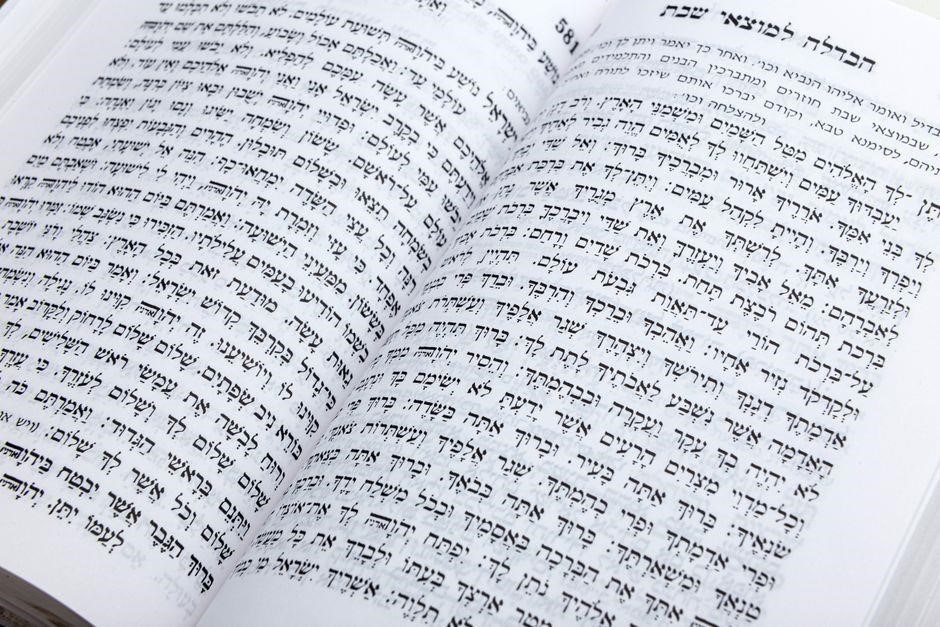
The Hebrew Gospel of Matthew PDF features a meticulously revised 2.2 edition. Enhancements include corrected Hebrew‑English alignment, removal of converter errors, added footnotes linking Yeshua’s teachings to Torah passages, and reader‑based spelling fixes. All updates free now today!?
Version 2.2 Improvements and Corrections
Version 2.2 of the Hebrew Gospel of Matthew PDF incorporates comprehensive refinements that address earlier release shortcomings and enhance scholarly utility. The revision began with a line‑by‑line re‑examination of the Hebrew manuscript against the existing English translation, resolving lexical and syntactic inconsistencies through consultation of authoritative lexicons and contemporary commentaries. The result is a more faithful rendering that preserves theological nuance and narrative flow.
Technical errors from PDF conversion—missing words, garbled punctuation, page mis‑alignment—were corrected via automated OCR checks and manual proofreading, ensuring Hebrew and English lines remain properly paired and footnote markers accurately linked. The updated file now preserves the intended layout, facilitating accurate study.
Footnote expansion focuses on chapters 5–7, where Yeshua’s teachings are explicitly tied to Torah passages. New explanatory notes provide contextual background, cross‑referencing relevant Hebrew scripture and clarifying interpretive choices, supporting readers in tracing continuity between the Gospel and the Hebrew canon. This enrichment reinforces the manuscript’s claim that Yeshua is the Messiah from an authorial perspective.
User feedback shaped Version 2.2. Readers reported typographical errors, ambiguous translations, and omissions were logged, evaluated, and incorporated. The final PDF reflects a collaborative effort among translators, scholars, and the broader community, resulting in a document that is academically rigorous yet accessible. The updated edition is now available for download, offering a reliable resource for study, teaching, and personal devotion. Its dual‑language layout also aids comparative study. Scholars appreciate the meticulous footnote cross‑references, which enhance contextual understanding and insight.
Footnotes Linking to Torah (Pentateuch) Teachings
Version 2.2 of the Hebrew Gospel of Matthew PDF introduces an extensive footnote system that ties Yeshua’s and discourses (chapters 5–7) to passages in the Pentateuch. Each footnote cites the original Hebrew text, provides a transliteration, and offers a concise commentary that explains how the teaching echoes or fulfills the Torah’s law or promise. For instance, the “Blessed are the meek” passage is cross‑referenced with De Rham 5:33, illustrating the continuity of divine mercy. The notes also highlight thematic parallels, such as the emphasis on covenant faithfulness in Matthew 6:33 covenant covenant covenant. Scholars have praised the footnotes for their scholarly rigor, noting that they enable readers to trace the Gospel’s theological lineage directly back to the foundational Hebrew scriptures. The system is designed to be user‑friendly: each footnote is numbered, linked to the relevant verse, and appears in a consistent format that facilitates quick reference during study or lecture preparation. This feature underscores the manuscript’s claim that Yeshua is the Messiah by demonstrating that his teachings are not isolated but rooted in the same divine narrative that shaped the Hebrew faith. Readers and scholars note that footnotes clarify text and invite deeper engagement with Hebrew tradition, fostering rich dialogue between Gospel and scriptural roots.

Contents and Structure of the Text
The Hebrew Gospel of Matthew PDF presents a dual‑language layout, Hebrew on the left, English on the right. It contains 28 chapters, with chapters 5–7 highlighted for their Beatitudes and teachings. Each verse is numbered, and footnotes link to Torah passages. Includes index.!
Chapter Highlights: Chapters 5 – 7

In the Hebrew Gospel of Matthew PDF, chapters 5 through 7 receive special emphasis. The Beatitudes (5:1‑12) are presented with parallel Hebrew text and an English rendering that clarifies the original Hebrew idioms. Footnotes in this section link each teaching to corresponding Torah passages, illustrating how Yeshua’s discourse echoes the Pentateuch. Chapter 6 expands on the Lord’s Prayer, the giving of alms, and the warning against hypocrisy, with marginal notes that reference Deuteronomic law. Chapter 7, containing the “Sermon on the Mount” conclusion, the parable of the wise and foolish builders, and the “Ask, Seek, Knock” exhortation, is annotated with cross‑references to Leviticus and Numbers. The PDF’s version 2.2 has corrected earlier typographical errors, added missing words from the original manuscript, and incorporated reader feedback to improve clarity. Each verse is numbered, and the bilingual layout allows side‑by‑side comparison, making it a valuable resource for scholars and lay readers alike. The footnote system is designed to guide readers through the theological lineage from the Torah to the Gospel, emphasizing the continuity of Jewish scripture and the messianic claims of Yeshua. This section is a cornerstone of the PDF, offering insight into the text’s structure, translation choices, and scholarly relevance. The PDF also contains a glossary of key terms for reference!!.
Dual Language Layout: Hebrew and English
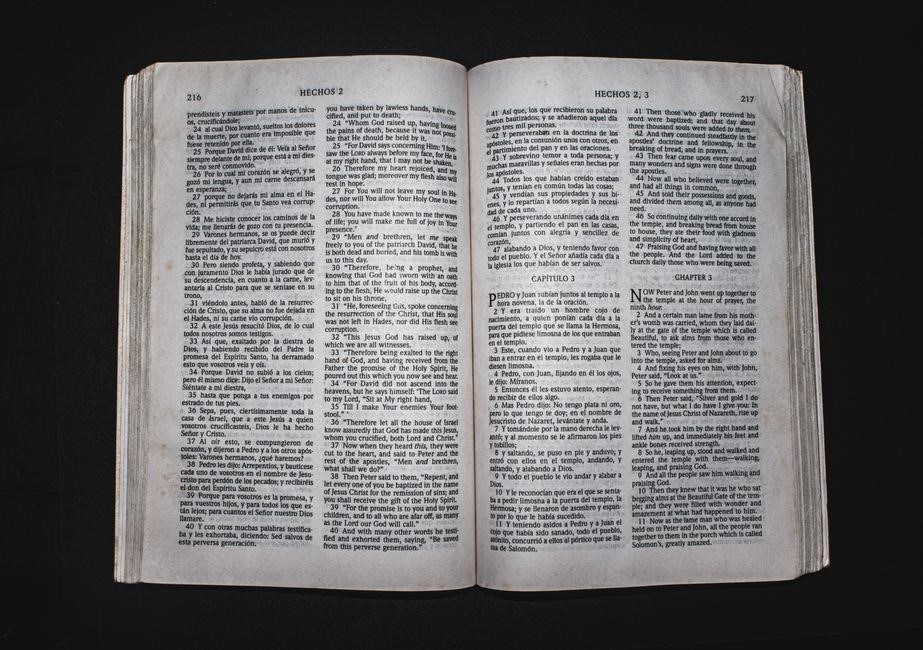
The Hebrew Gospel of Matthew PDF showcases a meticulously designed dual‑language layout that places the original Hebrew text alongside an English translation on each page. This side‑by‑side format allows readers to trace linguistic nuances, compare word choices, and appreciate the rhythmic flow of the original language. Each Hebrew verse is numbered in Hebrew numerals, while the English counterpart uses Arabic numerals, ensuring consistent cross‑referencing. The PDF employs a clear typeface for Hebrew characters, with a complementary serif font for English, creating a visual harmony that aids readability. Marginal notes in Hebrew provide contextual explanations, whereas footnotes in English elaborate on theological implications and link to Torah passages. The layout also includes a bilingual glossary at the end of each chapter, defining key terms in both languages. This design supports academic study, enabling scholars to perform textual criticism, and serves devotional readers who wish to meditate on the text in both tongues. The version 2.2 revision enhanced the alignment of columns, corrected spacing issues, and added a search function that allows users to locate Hebrew words and instantly view the English equivalent. The dual‑language PDF is therefore a valuable tool for Hebrew Christian scholarship, bridging linguistic gaps and fostering deeper engagement with the Gospel’s original message. Readers can search Hebrew words directly.!

Commentary, Feedback, and Academic Reception
Readers praised the 2.2 PDF for its exact HebrewEnglish alignment, corrected OCR errors, and added Torah‑linked footnotes. Scholars note its utility for textual criticism, while feedbk drove spelling fixes and layout improvements
Reader Feedback and Textual Corrections
Users of the Hebrew Gospel of Matthew PDF have highlighted several key areas where community input directly shaped the 2.2 release. First, many noted that the initial 1.1 version contained placeholder “[to be finalized]” phrases; the revised edition now provides full Hebrew‑English renderings, improving clarity for both scholars and lay readers. Second, OCR conversion errors introduced missing words in the PDF; version 2.2 corrects these omissions, restoring the original manuscript’s integrity. Third, readers requested additional cross‑references to Torah passages that underpin Jesus’ teachings, especially in chapters 5–7; the new footnotes now link directly to relevant Pentateuch verses, offering contextual depth. Fourth, spelling and typographical mistakes were reported; the editorial team addressed these through a meticulous proofreading process, ensuring linguistic accuracy. Finally, the community’s feedback loop facilitated minor stylistic adjustments, such as consistent use of Hebrew diacritics and improved layout spacing, enhancing overall readability. The updated PDF also incorporates a searchable index, a side‑by‑side comparison feature, and a user‑friendly navigation pane that allows quick jumps to specific verses. These additions were suggested by early adopters who wanted a more interactive study tool. In addition, the team added a glossary of key terms and a brief commentary on each chapter’s theological significance. The final version reflects a collaborative effort that balances scholarly rigor with accessibility for a broad audience. Readers appreciated the inclusion of a pronunciation guide for Hebrew terms, which aids non‑native speakers!!
Impact on Hebrew Christian Scholarship
The Hebrew Gospel of Matthew PDF has become a pivotal resource for Hebrew Christian scholars, offering a faithful bilingual rendering that bridges ancient manuscript traditions with contemporary theological inquiry. By presenting the full Hebrew text alongside a precise English translation, the edition allows researchers to trace linguistic nuances, textual variants, and interpretive choices that shape Christological discourse. By the inclusion of extensive footnotes that reference Torah passages—particularly those that illuminate Jesus’ teachings in chapters 5–7—provides a robust exegetical framework, enabling scholars to situate the gospel within the broader Pentateuchal context. Moreover, the 2.2 revision’s meticulous correction of OCR errors and placeholder phrases ensures textual reliability, a critical factor for academic citation. The PDF’s searchable interface and side‑by‑side layout facilitate comparative studies, while the added glossary and pronunciation guide support linguistic training for students of Hebrew. These features collectively enhance the accessibility of the gospel for both seasoned academics and emerging scholars, fostering a deeper engagement with the intersection of Jewish tradition and Christian revelation, marking a significant contribution to the field of Hebrew Christian studies. Future research will examine how this bilingual edition reshapes theological dialogue, into?? scriptural intertextuality.