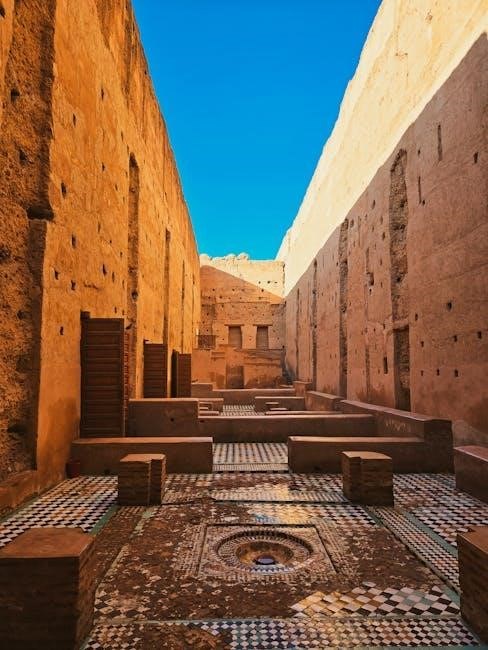
marrakech travel guide
Marrakech Travel Guide: An Overview
Marrakech, the “Red City,” offers a captivating blend of ancient traditions and modern vibrancy. Explore bustling souks, stunning palaces, and serene gardens.
Discover exceptional tours with guides like Mohammed from Love Morocco Travel, ensuring a memorable experience.
Marrakech, affectionately known as the “Red City” due to the hue of its walls, is a mesmerizing destination steeped in history and brimming with cultural richness. Situated in the foothills of the Atlas Mountains, this Moroccan gem offers an intoxicating sensory experience, captivating visitors with its vibrant souks, stunning architecture, and the energetic atmosphere of Djemaa el-Fna square.
For over a century, iconic establishments like La Mamounia have embodied Marrakech’s blend of exclusivity and accessibility, serving as a public palace of sorts. The city’s allure extends beyond its visual beauty; it’s a place where ancient traditions seamlessly intertwine with modern life.
Whether you’re seeking immersive tours guided by knowledgeable locals like Mohammed of Love Morocco Travel, or simply wish to wander through the labyrinthine streets, Marrakech promises an unforgettable journey. From the intricate designs of Bahia Palace to the tranquil Majorelle Garden, every corner reveals a new story, making it a truly magical destination for all types of travelers. Prepare to be enchanted by the sights, sounds, and scents of this extraordinary city.
Best Time to Visit Marrakech
Determining the best time to visit Marrakech hinges on your tolerance for heat and crowds. Generally, the shoulder seasons – April to May and September to October – offer the most pleasant experience. During these months, the weather is warm and sunny, averaging between 20°C and 25°C (68°F to 77°F), ideal for exploring the city’s vibrant souks and historical sites without the scorching summer temperatures.
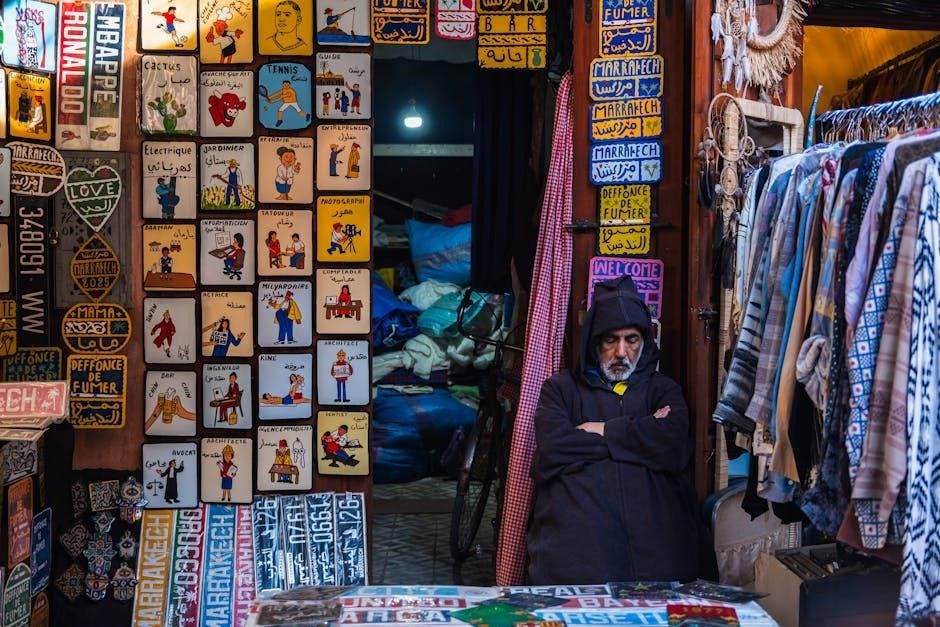
Summer (June to August) can be intensely hot, with temperatures often exceeding 40°C (104°F). While air-conditioned accommodations provide respite, outdoor activities may be limited. Conversely, winter (November to March) brings cooler temperatures, sometimes dropping to near freezing at night, but offers clear skies and fewer tourists.
Considering a June visit, as experienced by a family enjoying a Moroccan holiday, can be delightful, but be prepared for warmer conditions. Ultimately, the “best” time depends on your preferences. For comfortable exploration and a balance of good weather and manageable crowds, the spring and autumn months are highly recommended, allowing you to fully immerse yourself in the magic of Marrakech.
Planning Your Trip to Marrakech
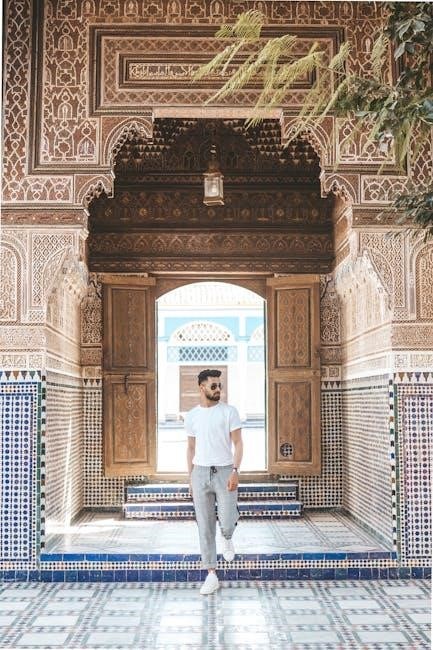
Planning a Marrakech adventure requires considering visas, flights, and accommodation. Explore riads or hotels, choosing between the bustling Medina, modern Gueliz, or tranquil Hivernage districts for your stay.
Visa and Entry Requirements
Navigating visa requirements for Marrakech, Morocco, depends heavily on your nationality. Many nationalities, including those from the United States, Canada, and most European countries, can enter Morocco for tourism for up to 90 days without a visa. However, it’s crucial to verify the latest regulations based on your specific passport.
Before traveling, always check the official website of the Moroccan Ministry of Foreign Affairs or your country’s Moroccan embassy or consulate. These sources provide the most up-to-date information regarding visa policies, potential changes, and any required documentation. Ensure your passport is valid for at least six months beyond your intended stay.
Upon arrival, you may be asked to present proof of onward travel (like a return ticket) and sufficient funds to cover your expenses during your visit. While not always requested, having these readily available can streamline the immigration process. Be prepared to answer questions about the purpose of your trip and your intended length of stay. It’s always wise to keep a printed copy of your hotel reservations and travel itinerary with you;
For those requiring a visa, the application process typically involves submitting an application form, passport photos, proof of travel arrangements, and a fee. Processing times can vary, so apply well in advance of your planned travel dates.
Getting to Marrakech: Flights & Transportation
Marrakech-Menara Airport (RAK) is the primary international gateway, well-connected to major European cities with numerous direct flights. From North America, expect connecting flights, often through European hubs like Paris or London. Several airlines service the route, offering varying price points and travel times. Booking in advance, especially during peak season, is highly recommended to secure the best fares.
Upon arrival at the airport, several transportation options are available. Taxis are readily accessible, but agree on a fare before starting your journey to avoid inflated prices. Airport buses provide a more affordable option, dropping passengers off at key locations within the city. Private airport transfers can be pre-booked for a hassle-free experience, particularly useful if arriving late at night.
Within Marrakech, taxis remain a convenient way to get around, though negotiating fares is essential. Buses are a budget-friendly choice, but can be crowded. Walking is ideal for exploring the Medina, but be prepared for narrow, winding streets. Consider using ride-hailing apps for a more transparent pricing structure.
Accommodation Options in Marrakech
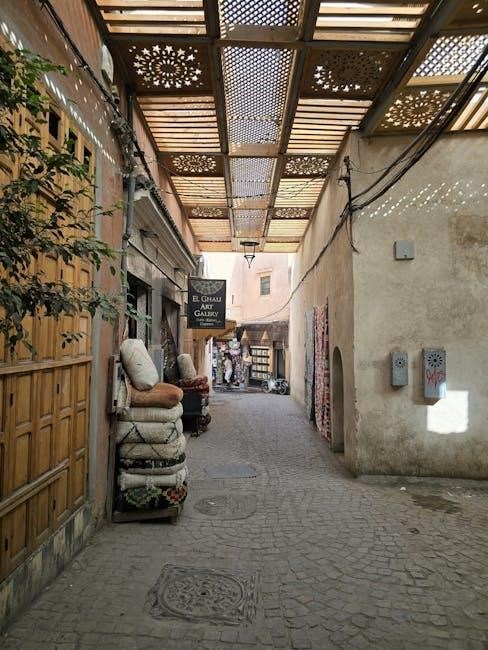
Marrakech offers a diverse range of accommodation, catering to all budgets and preferences. From luxurious hotels to traditional riads, finding the perfect base for your exploration is easy. Hotels provide familiar amenities and services, often featuring pools and restaurants, appealing to those seeking convenience.
However, for an authentic Moroccan experience, consider staying in a riad – a traditional house or palace with an interior courtyard. Riads offer intimate settings, personalized service, and often include breakfast. They range from budget-friendly guesthouses to opulent boutique hotels;
Popular areas include the Medina, the historic heart of the city, offering immersive cultural experiences. Gueliz, the modern district, boasts contemporary hotels and restaurants. Hivernage is known for its upscale hotels, gardens, and proximity to the conference center. Choosing your location depends on your desired atmosphere and proximity to attractions. Consider factors like noise levels and accessibility when making your decision. Booking in advance is crucial, especially during peak seasons.
Riads vs. Hotels: Choosing Your Stay
Deciding between a riad and a hotel in Marrakech hinges on your travel style and desired experience. Hotels offer standardized comfort, familiar amenities like pools and restaurants, and often, international brand recognition. They prioritize convenience and predictability, appealing to travelers seeking a hassle-free stay.
Riads, conversely, provide an immersive cultural experience. These traditional Moroccan houses, centered around an interior courtyard, offer intimate settings and personalized service. Expect unique décor, often featuring intricate tilework and traditional furnishings. While some riads offer modern comforts, they generally prioritize authenticity over standardized luxury.
Consider your priorities. If you value spacious rooms, extensive facilities, and a predictable experience, a hotel is a good choice. If you seek a unique, atmospheric stay, a connection to Moroccan culture, and personalized attention, a riad is ideal. Riads often include breakfast and can arrange tours, enhancing your exploration of Marrakech. Ultimately, both options offer comfortable accommodation, but cater to different preferences.
Popular Areas to Stay: Medina, Gueliz, Hivernage
Marrakech offers diverse neighborhoods, each with a distinct atmosphere. The Medina, the historic heart of the city, is a labyrinthine maze of souks, riads, and ancient monuments. Staying here immerses you in Moroccan culture, but be prepared for bustling crowds and narrow streets. It’s ideal for first-time visitors wanting an authentic experience.
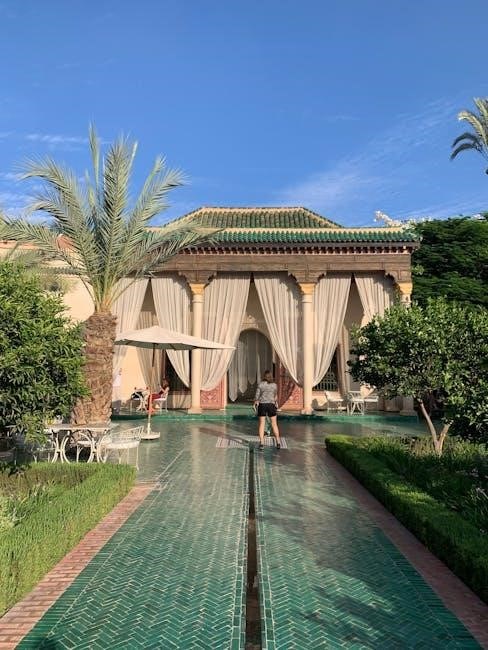
Gueliz, the modern district, provides a stark contrast. Developed during the French protectorate, Gueliz boasts wide avenues, contemporary shops, and European-style cafes. It’s a good choice for those seeking a more familiar urban environment and convenient access to restaurants and boutiques.
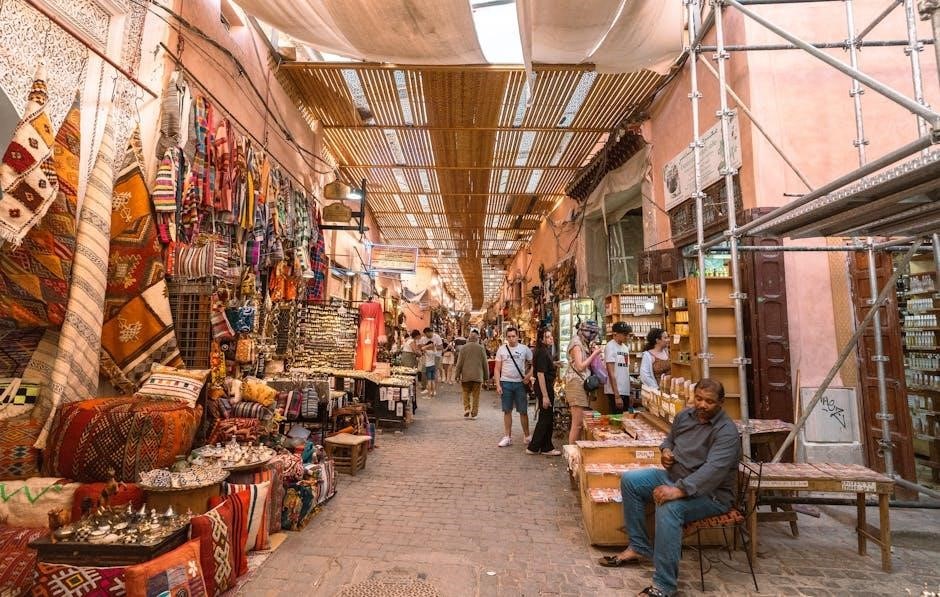
Hivernage, meaning “winter garden,” is an upscale area known for its luxurious hotels, casinos, and palm-lined streets. It offers a more relaxed and sophisticated atmosphere, appealing to travelers seeking comfort and tranquility. Proximity to Majorelle Garden is a key draw. Consider your desired ambiance when selecting your base – each area offers a unique slice of Marrakech life.
Exploring Marrakech: Key Attractions
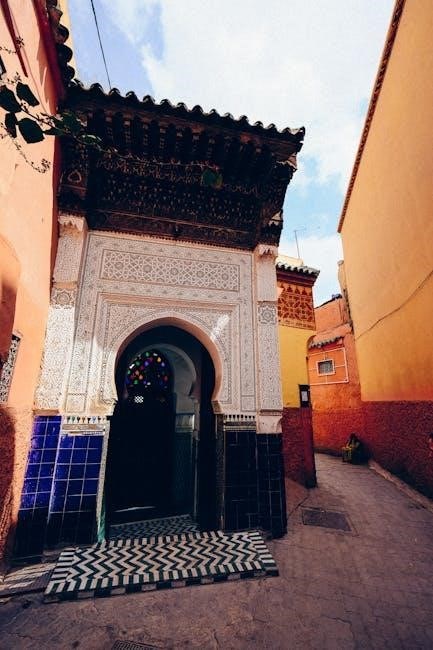
Marrakech captivates with iconic landmarks! Discover Djemaa el-Fna’s vibrant energy, the serene Koutoubia Mosque, and the opulent Bahia Palace. Explore historical Saadian Tombs and the beautiful Majorelle Garden.
Djemaa el-Fna: The Heart of Marrakech
Djemaa el-Fna is the vibrant, pulsating heart of Marrakech, a UNESCO World Heritage site that truly comes alive as the sun begins to set. During the day, you’ll encounter snake charmers, storytellers, and traditional musicians, each vying for your attention. The square transforms into a massive open-air food market in the evening, filled with the enticing aromas of grilled meats, tagines, and fresh juices.
Be prepared to be immersed in a sensory overload – the sounds of drums, the calls of vendors, and the sheer energy of the crowd are unforgettable. It’s a place to wander, observe, and experience the authentic culture of Marrakech. Don’t be afraid to sample the local delicacies, but always agree on a price beforehand.
While captivating, Djemaa el-Fna can also be overwhelming. Be mindful of your belongings and be prepared for persistent vendors. It’s a fantastic place to people-watch and soak up the atmosphere, offering a unique glimpse into Moroccan life. From traditional healers to henna artists, the square is a living testament to Marrakech’s rich heritage.
Koutoubia Mosque & Gardens
The Koutoubia Mosque is Marrakech’s largest mosque, and its iconic minaret dominates the city’s skyline. Completed in the 12th century, it’s a stunning example of Almohad architecture, showcasing intricate geometric designs and exquisite craftsmanship. While non-Muslims are not permitted to enter the mosque itself, the surrounding gardens offer a tranquil escape from the bustling medina.
The gardens are beautifully landscaped with orange trees, rose bushes, and palm trees, providing a peaceful setting for relaxation and contemplation. Stroll along the pathways, admire the fountains, and enjoy the fragrant aromas. The Koutoubia Mosque and its gardens are particularly beautiful at sunset, when the minaret is bathed in golden light.
The mosque serves as a focal point for the city, and its call to prayer resonates throughout Marrakech five times a day. It’s a significant landmark and a symbol of the city’s rich Islamic heritage. The surrounding area is often lively with street performers and food stalls, adding to the vibrant atmosphere.
Bahia Palace: A Masterpiece of Moroccan Architecture
Bahia Palace, meaning “brilliance,” truly lives up to its name. Built in the late 19th century by Si Moussa, grand vizier of Sultan Hassan I, and later completed by his son, Ahmed ben Moussa, it showcases the opulent lifestyle of Moroccan royalty. This palace isn’t a single architectural style, but a blend reflecting influences from the Spanish, Moorish, and Italian designs.
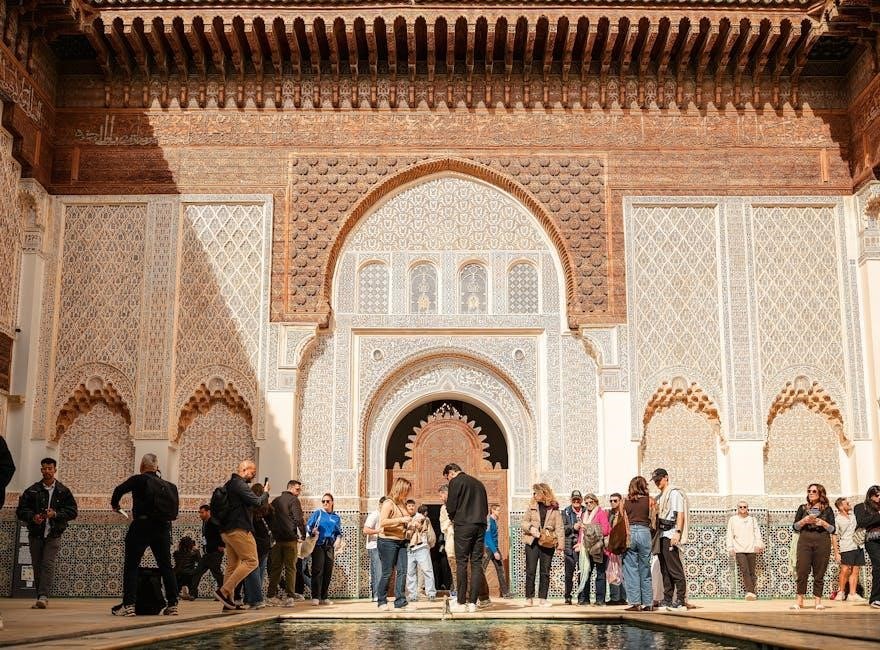
Wander through the palace’s numerous courtyards, each more stunning than the last. Admire the intricate stucco work, vibrant zellij tilework, and exquisitely carved cedarwood ceilings. The palace was intended to be the greatest of its time, and its vast scale and lavish decoration certainly achieve that ambition.
Explore the harem quarters, the grand courtyard with its marble fountain, and the beautifully decorated reception rooms. Imagine the lives of those who once inhabited this magnificent space. Bahia Palace offers a fascinating glimpse into Morocco’s rich history and artistic heritage, and is a must-see for any visitor to Marrakech.
Saadian Tombs: Historical Royal Necropolis
Hidden for centuries and rediscovered in 1917, the Saadian Tombs offer a breathtaking glimpse into the grandeur of the Saadian dynasty, which ruled Morocco from 1549 to 1659. These tombs were built by Sultan Ahmad al-Mansur, intended as a final resting place for himself and his family.
The complex is divided into three main sections: the Hall of the Twelve Columns, showcasing intricate stucco and marble work; the Mausoleum of Mohammed Sheikh, adorned with Italian Carrara marble and gold leaf; and the pasha’s tomb, a smaller, yet equally beautiful chamber.
The Hall of the Twelve Columns is particularly striking, with its delicate carvings and ornate decorations. The use of imported materials, like Carrara marble, demonstrates the wealth and power of the Saadian rulers. Visiting the Saadian Tombs is a profoundly moving experience, offering a tangible connection to Morocco’s royal past and artistic achievements. Be prepared for crowds, as this site is incredibly popular.
Majorelle Garden & Yves Saint Laurent Museum
The Majorelle Garden, a vibrant oasis of exotic plants and striking cobalt blue architecture, is a must-visit destination in Marrakech. Created by French artist Jacques Majorelle in the 1920s, it was later restored by fashion icon Yves Saint Laurent and his partner, Pierre Bergé, who deeply cherished the garden’s tranquility.
Wander through bamboo forests, cacti gardens, and water features, all set against the backdrop of the iconic “Majorelle Blue” buildings. The garden provides a serene escape from the bustling city, offering a feast for the senses.
Adjacent to the garden is the Yves Saint Laurent Museum, dedicated to the life and work of the legendary designer. The museum showcases a stunning collection of his creations, including haute couture pieces, sketches, and photographs, providing insight into his creative process and his profound connection to Morocco. It’s a beautiful tribute to a fashion icon and a testament to the enduring allure of Marrakech.
Practical Tips for Travelers
Navigating the Marrakech Medina requires awareness and caution. Bargaining is expected in the souks – embrace it! Savor local cuisine; it’s a highlight. Stay updated with Bhutan Broadcasting Service (BBS) for global news.
Marrakech Medina Navigation & Safety
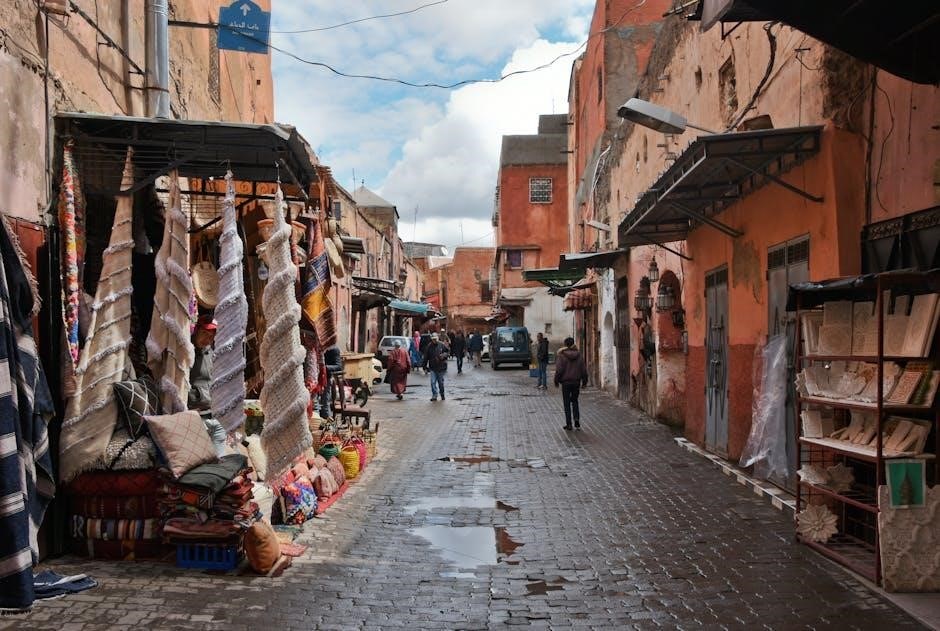
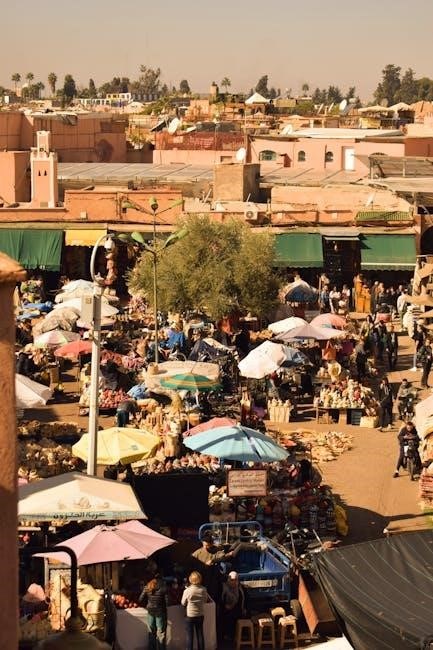
The Marrakech Medina is a labyrinthine network of alleyways, a truly immersive experience, but one that demands a degree of preparedness. Getting lost is almost inevitable – and often part of the charm! – but taking precautions is crucial for a safe and enjoyable visit.
Firstly, be aware of your surroundings. The Medina is incredibly busy, with motorbikes, pedestrians, and donkey carts all vying for space. Pay attention to traffic and keep to the sides of the pathways. Secondly, petty theft can occur, so keep your valuables secure and be mindful of pickpockets, especially in crowded areas like Djemaa el-Fna. Consider using a cross-body bag or a money belt.
Don’t be afraid to ask for directions, but be aware that some locals may expect a small tip for their assistance. It’s often helpful to have a map (either physical or on your phone) but remember that the Medina’s layout can be disorienting. Downloading an offline map is a smart move.
Be cautious of overly friendly strangers who approach you offering unsolicited help or guiding services. While many are genuine, some may have ulterior motives. If you feel uncomfortable, politely decline their offers and continue on your way. Finally, trust your instincts. If a situation feels unsafe, remove yourself from it immediately.
Bargaining in the Souks: A Guide
Bargaining is an integral part of the shopping experience in Marrakech’s souks – it’s expected, and even enjoyed! Approaching it with the right attitude and a few key strategies will ensure you get a fair price and have fun in the process. Don’t accept the first price offered; it’s usually inflated. Start by offering around 30-50% of the initial asking price, depending on the item.
Be polite and respectful throughout the negotiation. A friendly demeanor goes a long way. Engage in a bit of playful banter with the vendor – it’s all part of the game. Don’t be afraid to walk away if you’re not happy with the price; often, the vendor will call you back with a better offer.
Have a price in mind that you’re willing to pay and stick to it. Don’t get caught up in the excitement and overspend. Compare prices at different stalls before making a purchase to get a sense of the market value. Remember that quality can vary, so inspect the item carefully before you agree to buy it.
Finally, be prepared to compromise. Bargaining is about finding a mutually agreeable price. A little patience and a sense of humor will go a long way in securing a good deal and enjoying the vibrant atmosphere of the souks.
Local Cuisine: What to Eat in Marrakech
Marrakech is a paradise for food lovers, offering a tantalizing array of flavors and aromas. Tagine, a slow-cooked stew typically made with meat, vegetables, and spices, is a must-try – lamb with prunes is a classic. Couscous, often served with tagine, is another staple. Don’t miss pastilla, a sweet and savory pie traditionally filled with pigeon (though chicken is common now), almonds, and spices.
For a quick and delicious bite, sample street food in Djemaa el-Fna; Grilled meats, fresh juices, and pastries abound. Try harira, a hearty tomato-based soup, especially during Ramadan. Mint tea is ubiquitous and offered as a sign of hospitality – accept it!
Explore the many restaurants offering traditional Moroccan cuisine. Look for places frequented by locals for an authentic experience. Be adventurous and try new things – you might discover your new favorite dish. Remember to be mindful of hygiene when eating street food, choosing stalls that appear clean and busy.
Don’t forget the pastries! Moroccan sweets are often made with almonds, honey, and orange blossom water. Enjoy them with a glass of mint tea for the perfect ending to a meal.